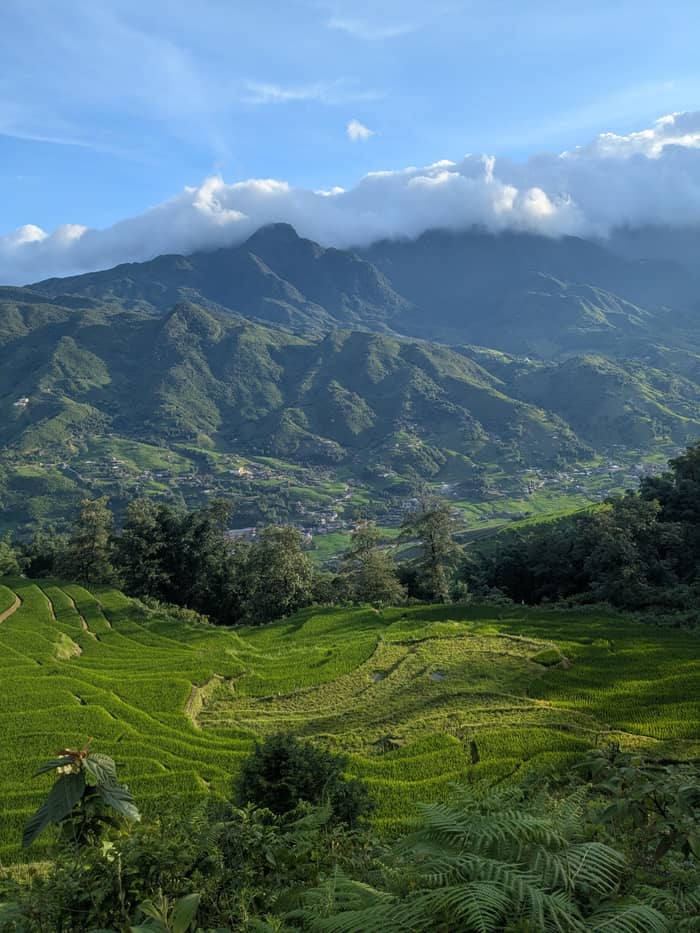
Booked here
The trek we book
Ylinh Ho, San Seng, Hau Thao
- Day 112 km
- StartOld Quarter
- Reviews1,324
Guides
Language
Currency
See open datesfrom $72 · free to cancelSize up your group price
Compare 3 alternatives
Add your party size and watch three treks update with their starting prices.
≈
View≈
View≈
ViewAll amounts are from-prices on GetYourGuide, converted at the ECB reference rate. Exact prices are shown at booking.
Pickup before dawn, a long walk through the terraces, a night with a family and a bus back, laid out in order with the hours the listing gives.
Editorial team, sapa2daytrek.top · Updated November 17, 2026 · Allow 7 min
Overview
For anyone trekking Sapa Vietnam from the capital, the trek starts on the road, and the listing gives the morning in hours. A shuttle bus collects you at your accommodation in the Old Quarter of Hanoi, with a window from 6:00 to 6:45 AM depending on where you sleep, and you transfer to an air-conditioned sleeper bus. The exact pickup time is confirmed again by email or WhatsApp once the booking is made. The ride includes a stop along the way to stretch your legs.
The national news agency puts Sa Pa 350 km from Hanoi and 1,600 m above sea level, and the bus needs most of the morning to cover that distance.1 The listing says the guide meets the group at the bus office in Sa Pa town at 12:30 to 13:00, and lunch at a local restaurant comes before the first step of the hike. The road and the walk share one 14 hour day, so expect to be tired by the evening.
Your large luggage does not walk with you. A guide in Sa Pa stores it safely in town or has it transferred to the homestay, so you trek with a small pack. That is the one piece of planning to do in Hanoi: leave the big bag packed for the trip onward and carry what you need for one night. A separate page covers the packing list in detail.
Side by side
| Trek | Day 1 | Day 2 | Starts |
|---|---|---|---|
| Our Hanoi trek | 12 km | Not given | 6:00 to 6:45 AM, Hanoi |
| Small group, 15 | 9-11 km | 7-8 km | 9:00 AM, Sa Pa |
| Hmong family trek | 12 km | 5 km | 8:30, Sa Pa |
| Dzay homestay trek | 11 km | 8 km | Pickup in Sa Pa |
| Walking with a local | 12-14 km | 10 km | 09:00, Sa Pa |
| Local people trek | 10-13 km | 8-10 km | 9:00 AM, Sa Pa |
Distances as the listings state them, and they are approximate; the trek we book gives no distance for day 2.
The hike begins after lunch and covers 12 kilometers through terraced rice fields, corn fields and potato fields. The route goes through Ylinh Ho, then San Seng, then Hau Thao, and gives you the chance to meet local H'Mong people and hear about their customs and daily life. The listing warns that the path can be slippery in places and that trekking shoes are best.
Vietnam Tourism describes how a Sa Pa trek usually runs, and it fits this day. It says most treks begin with a walk to the wet market to buy food, then an invigorating hike through the hills, with lunch usually cooked over an open fire.2 On this trek the market stop is replaced by a restaurant lunch in town, but the pace and the terraces are what the official page promises.
A break at a waterfall sits along the route. The listing does not state the minutes of the walk or the climb, so use the 12 kilometers as your planning figure and expect an afternoon of steady walking after a morning on the bus. Reviewers call the views on the first day scenic, and one calls the first 30 minutes challenging before the path turns flat and downhill.
Distance
Kilometers as each listing states them; ours gives a figure for day 1 only, and distances are approximate.
The walk ends at your local guide's house, where the host receives you as family. You can join in the cooking and note down the local recipes while the stories flow. The listing counts lunch and dinner on day 1 as part of the fare. Say early if you eat no meat, since the listings in this valley usually ask for dietary needs in advance, and arrive hungry after a day on foot.
Plan for simple comforts. The record says plainly that you share the bathroom with the family, as the locals do every day. That is part of the point of a village night, not a flaw in it. Vietnam Tourism says that in mountainous areas such as Sa Pa you can sleep in rustic wooden lodges and longhouses, so a basic house is the standard to expect.3 Reviewers of this trek mention a clean house, an excellent shower and cooking they loved.
Nights are cool at that height. Vietnam Tourism calls the Sa Pa climate cool all year, with cold winters and occasional frost around Fansipan.4 One listing in the area advises warm clothes from October to March. Bring a layer for the evening even when the afternoon walk felt warm, and keep a dry pair of socks for the morning.
Pick your day 2
Name how you feel and read off the way to spend day 2.
If My legs are tired after day 1
Farm work
The listing offers trying harvesting, planting or caring for plants in the fields.
If I want to walk more
The bamboo forest hike
You can hike to further villages and a bamboo forest after breakfast.
If I want to see the town
Free time at the market
The shuttle returns to Sa Pa town and leaves time for the local market.
If It is raining hard
Trust the guide
The operator can wait for better weather or move you by minivan.
If I want a shorter day 2 walk
A trek with about 5 km
One Hmong family trek walks about 5 km on its second day.
Other routes
Booked here
Ylinh Ho, San Seng, Hau Thao
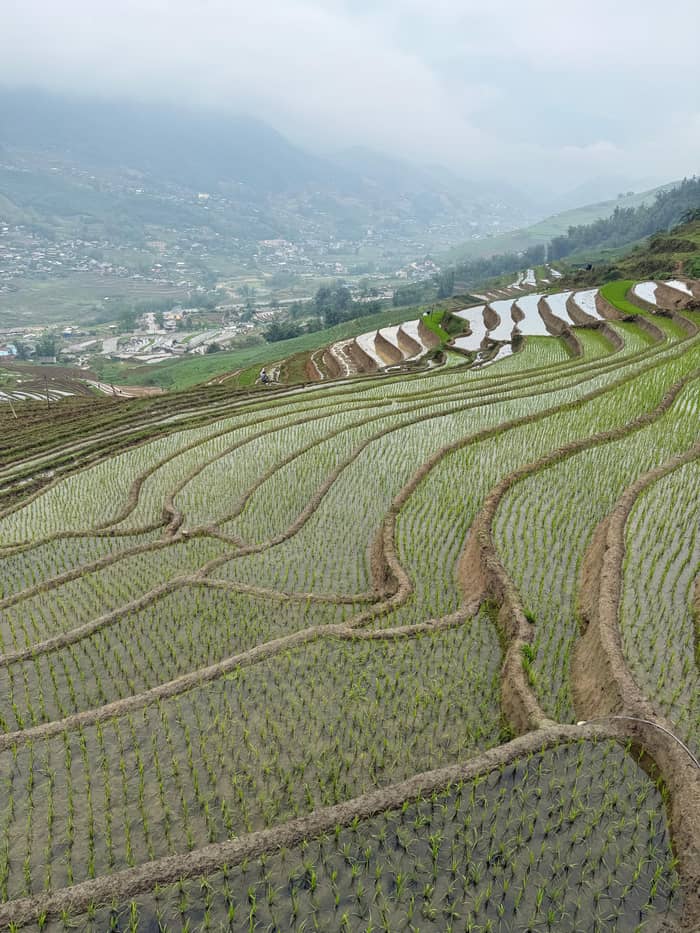
Valley walk
Small group from town
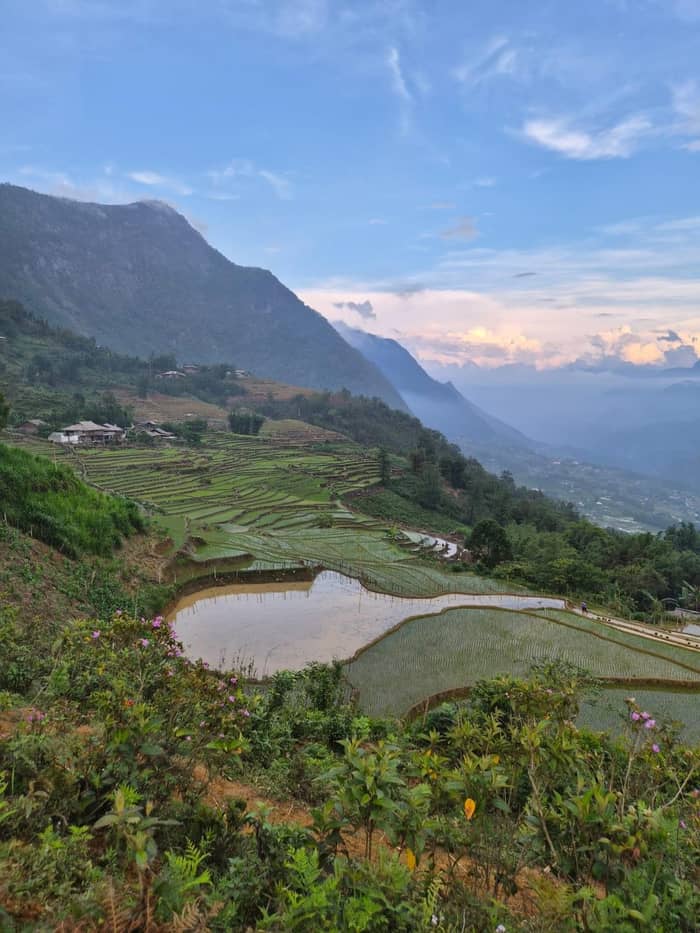
Viewpoint
Walking with a local
The second day starts early with breakfast cooked together with your host. You then choose between hiking to further villages and a bamboo forest or trying farm work, with the chance to harvest, plant or care for plants in the fields. Pick the hike if your legs are fresh and the farm work if the first day was hard.
Lunch comes at a local restaurant, and a shuttle bus takes the group back to Sa Pa town. The listing gives you free time there to visit the local market and discover the town by yourself before the bus. The record gives no distance for the day 2 walk, so judge it by the choice you make at breakfast. Ask your guide how long the morning will take, because the pace depends on the group and on the weather.
Other treks in the valley show how day 2 can look. One trek from $41 walks about 5 km on its second day to a small waterfall, while another walks 8 km and a third 10 km. Treat those as a range for the area rather than as a promise for ours, and ask the guide at breakfast how the morning will run, because pace, rain and the group all change the answer.
The hours
Before dawn
A shuttle collects you between 6:00 and 6:45 AM and moves you to a sleeper bus.
Midday
Arrival at the Sa Pa bus office at 12:30 to 13:00, then lunch.
Afternoon
A guided walk of 12 kilometers through the villages in turn.
Evening
Optional cooking of dinner, then a shared bathroom and bed.
Next morning
Choose a second hike to the bamboo forest or farm work.
Afternoon
Lunch, a shuttle to Sa Pa town and free time at the local market.
Night
The sleeper bus leaves at 15:00 and arrives at 21:30 to 22:00.
The return leg is fixed. You board the sleeper bus at 15:00 in Sa Pa and arrive in the Hanoi Old Quarter between 21:30 and 22:00, which is when the trip ends. Plan your evening in Hanoi around that, and do not book a late dinner or an early train for the same night. Use the free hour in Sa Pa town for a warm drink and a look at the market, then be at the bus stop early.
The bus is the weakest part of the score. Guests rate the guide 4.9, the value 4.8 and the transportation 4.5 out of 5. You can ask for a single cabin bus or a limousine van as an upgrade after you book. Whatever you choose, the trip still lasts a full day. A night bus is also the time to sort photographs and charge phones, so keep a power bank in your small pack.
The cost of the trek is a long day on both ends. A 14 hour day is the figure the itinerary gives, with 1,324 reviews behind a rating of 4.7. If that feels like too much, a trek that starts in Sa Pa town begins at about 8:30 or 9:00 AM and ends between 14:00 and 3:30 PM. If you need to be somewhere early the next morning, give yourself a buffer night in Hanoi instead of planning an early flight.
Video
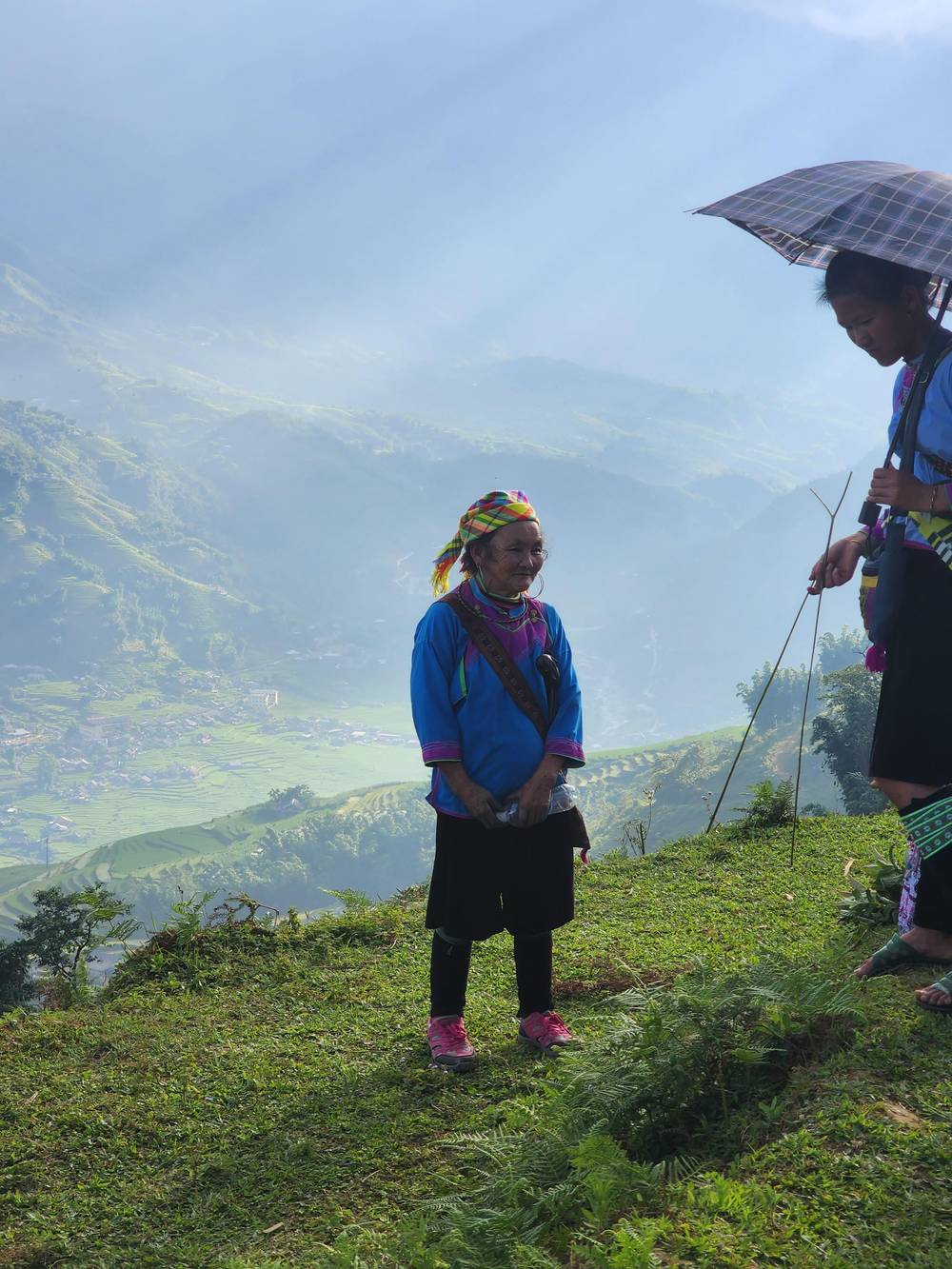
Vietnam Daily Travel on YouTube · Tap play to load the video; not before.
Most treks begin with a walk to the wet market to buy food for your trip. Then, it’s an invigorating hike through the hills, full of exquisite panoramas and sweet mountain air.
On the day
The listing has a clear rule for severe weather. If a typhoon or severe conditions are forecast, the operator informs you in advance so you can change the date or cancel for a full refund. Should the weather turn once you are already in Sa Pa, the guide waits for better weather, arranges a hotel in Sa Pa town or a minivan to the homestay, and may lengthen the day 2 route.
One reviewer found out how it feels. The second hike was much harder in heavy rain, and some parts were done by motorbike or car. Another listing notes that the waterfall flow depends on the season and April to June can be dry. The tourism authority sorts the year into cold and cloudy with mist from December to March, warm and sunny from April to June, and stormy and humid from June to August.5
September to November is cool, clear and dry according to the same official page.5 Late April earns the label near-perfect for Sa Pa, and early October, when the terraces gold up before harvest, is called lovely.6 If you can choose your dates, that is the window to aim for. Outside those windows the valley is still walkable, and mist is part of the scenery, but expect slower paths.
FAQ
The listing gives a 2 day trek with a day of 14 hours in all, and the sleeper bus reaches Hanoi between 21:30 and 22:00.
The guided hike covers 12 kilometers through terraced rice, corn and potato fields.
A guide stores large luggage in Sa Pa town or has it transferred to the homestay, so you trek without it.
The sleeper bus leaves Sa Pa at 15:00 and reaches the Old Quarter at night.
The operator can wait for better weather, find a hotel or a minivan and lengthen the day 2 route.
Lunch and dinner on day 1 and breakfast and lunch on day 2 are in the fare.
Sources
Planning two days in the Sa Pa hills? Ask a real person here.